
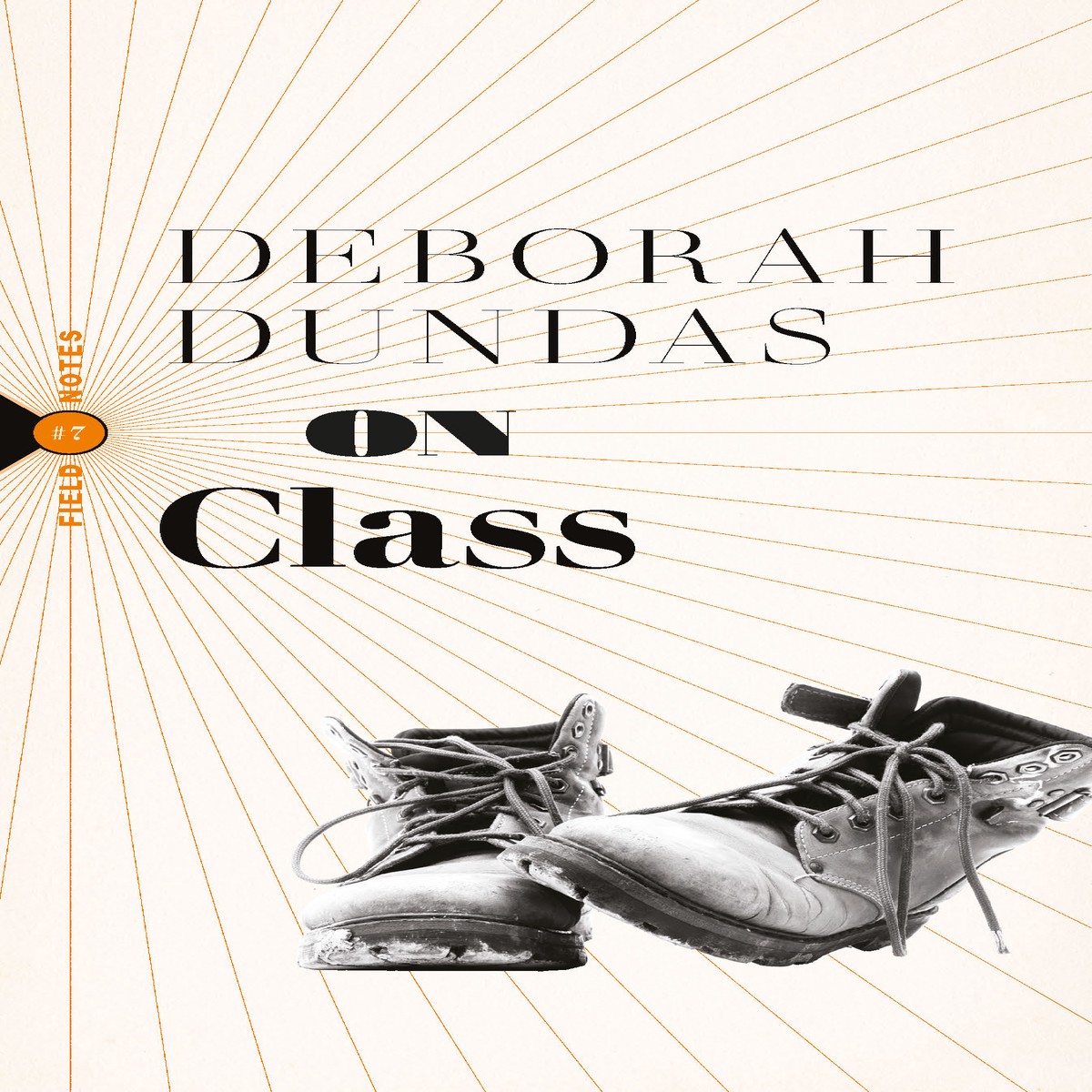
Description
Deborah Dundas is a journalist who grew up poor and almost didnt make it to university. InOn Class, she talks to writers, activists, those who work with the poor and those who are poor about what happens when we dont talk about poverty or classand what will happen when we do.Growing up poor, Deborah Dundas knew what it meant to want, to be hungry, and to long for social and economic dignity; she understood the crushing weight of having nothing much expected of you. But even after overcoming many of the usual barriers faced by lower- and working-class people, she still felt anxious about her place, and even in relatively safe spaces reluctant to broach the subject of class. While new social movements have generated open conversation about gender and racism, discussions of class rarely include the voices of those most deeply affected: the working class and poor.On Classis an exploration of the ways in which we talk about class: of who tells the stories, and who doesnt, which ones tend to be repeated most often, and why this has to change. It asks the question: What dont we talk about when we dont talk about class? And what might happen if, nally, we did?Praise for On ClassI really enjoyed Deborah Dundass small and brave bookOn Class. She addresses the need to speak about the different classes in Canada, and the ways it is almost impossible to cross their divides.Heather ONeill, author ofWhen We Lost Our HeadsOn Classis urgent and wise, written with Dundas trademark wit and crisp prose. Raw and smart, it urges readers not to look away from the complexity of issues affecting the poor and working class, especially in a time of constant political, economic, and social turmoil.Open BookA nifty, provocative little book.Winnipeg Free PressOn Classis a great read, perfect for readers less familiar with the notion of class and what it really means, but also interesting and thoughtful enough for those who have already begun to engage with the topic. Dundas pulls a lot of threads together in this volume, but it works really well and serves as an excellent, broad starting point.The Miramichi Reader[Dundas] shares her own experience of growing up poor and facing class-driven barriers to success.ZoomerPraise for theField NotesseriesA clear-eyed assessment of the links between property, policing, and the subjugation of Black people Walcotts analysis of the ways in which white supremacy is baked into the legal systems of Canada and the U.S. is stimulating. Progressives will embrace this well-conceived call for change.Publishers WeeklyRunning a brief but far-reaching and punchy 96 pages,On Propertyhas an absolute certainty of purpose: calling for the abolition of private property ownership [If] statements such as the problem of property is resolved through its removal or calls to abolish everything can make some people quake, when Walcotts pamphlet argues for the human ability to reconsider and rebuild societal structures, the stances come across as sensible and, better yet, doable.Toronto StarRinaldo Walcott locates his contribution to theField Notesseries on current issues,On Property, in the present political moment, while using historical references and events to argue for the abolition of police and property Walcott concludes his case by asking for a new ethics of care and economy that does not keep feeding into the incarceration system, a system rigged to continue Black suffering It is a question we must ask ourselves after reflecting on the ways in which we, too, are complicit.Quill & QuireKingwell offers a slender, thoughtful, sometimes meandering disquisition on risk that is inflected (or infected) by the virus, but not precisely about the virusexcept as it grants new urgency to old questions of risk and politics. A host of cultural allusionsfrom Shakespeare to the Simpsons, Isaiah Berlin to Irving Berlin, Voltaire, Pascal, and Derridaalong with salient academic studies inspire Kingwell to examine the many contradictory ways that humans handle risk An entertaining gloss on an enduring conundrum.Kirkus ReviewsUrgent, far-reaching and with a profound generosity of care, the wisdom inOn Propertyis absolute. We cannot afford to ignore or defer its teachings. Now is the time for us-collectively-to take up the challenge in this undeniable gift of a book.Canisia Lubrin, author ofThe DyzgraphxstandVoodoo Hypothesis


Reviews
There are no reviews yet.